Craft, Ingredients, and the Long View of Sustainable Grooming
Natural grooming products often carry a quiet narrative. Their appeal is rarely built on novelty alone, but on method, ingredients, and the sense that something made carefully will last longer—both in use and in reputation. Small-batch soaps, traditional shaving preparations, and naturally scented deodorants reflect a return to deliberate production, where sustainability is less a slogan and more a practical outcome of thoughtful choices.
Brands centred on handmade grooming products tend to emphasise materials first. Oils, clays, essential fragrances, and plant-based additives are selected not only for performance but for how they interact with skin over time. This approach shifts the conversation from short-term effects to longevity. When products are designed to be gentle and consistent, users often develop routines that remain stable, reducing the cycle of trial and replacement that characterises many mass-produced alternatives.
The appeal also lies in simplicity. A bar of soap with a short ingredient list feels transparent. It communicates intention without explanation. In small-scale production, that clarity becomes part of the brand’s identity. The connection between maker and user is less abstract, built on trust that evolves gradually through repeated use.
Small-Scale Production and Environmental Responsibility
Handmade grooming goods frequently align with sustainability in practical ways. Smaller production runs reduce excess inventory, while packaging choices often lean toward recyclable or minimal materials. These decisions may appear modest, yet collectively they contribute to reduced waste. When products are made in measured quantities, there is less pressure to discount surplus stock or dispose of unsold items.
The pace of small-batch manufacturing also allows for adjustment. Makers can refine formulations, respond to ingredient availability, and experiment without large-scale disruption. This flexibility supports long-term sustainability because it avoids rigid systems that struggle to adapt. Over time, incremental improvements—whether in sourcing, packaging, or formulation—shape a more resilient model.
Retailers such as The Black Stuff illustrate how this approach extends beyond production into presentation. Product descriptions often highlight ingredients, scent profiles, and traditional methods rather than focusing on rapid results. The tone encourages slower consideration, reinforcing the idea that grooming routines benefit from consistency rather than constant change.
The Role of Longevity in Brand Sustainability
Sustainability in small grooming brands is not limited to materials; it also relates to how identity develops. A brand built around craftsmanship tends to grow gradually. Reputation spreads through repeat purchases, word of mouth, and the quiet reliability of familiar scents. This organic progression contrasts with short-term bursts of attention that can be difficult to sustain.
Long-term planning becomes essential in this context. Small producers often think in seasons rather than campaigns—introducing variations carefully, maintaining core products, and ensuring that new additions complement existing lines. The emphasis is on continuity. Customers returning to a favourite soap expect it to remain recognisable, even as subtle refinements occur.
Some broader discussions around sustainable business development refer to the importance of brand visibility online as a gradual, cumulative process rather than an immediate objective. Within handmade grooming, similar thinking appears in the way brands prioritise steady presence over rapid expansion. The focus remains on maintaining clarity and authenticity, allowing recognition to grow naturally.
Tradition as a Sustainable Foundation
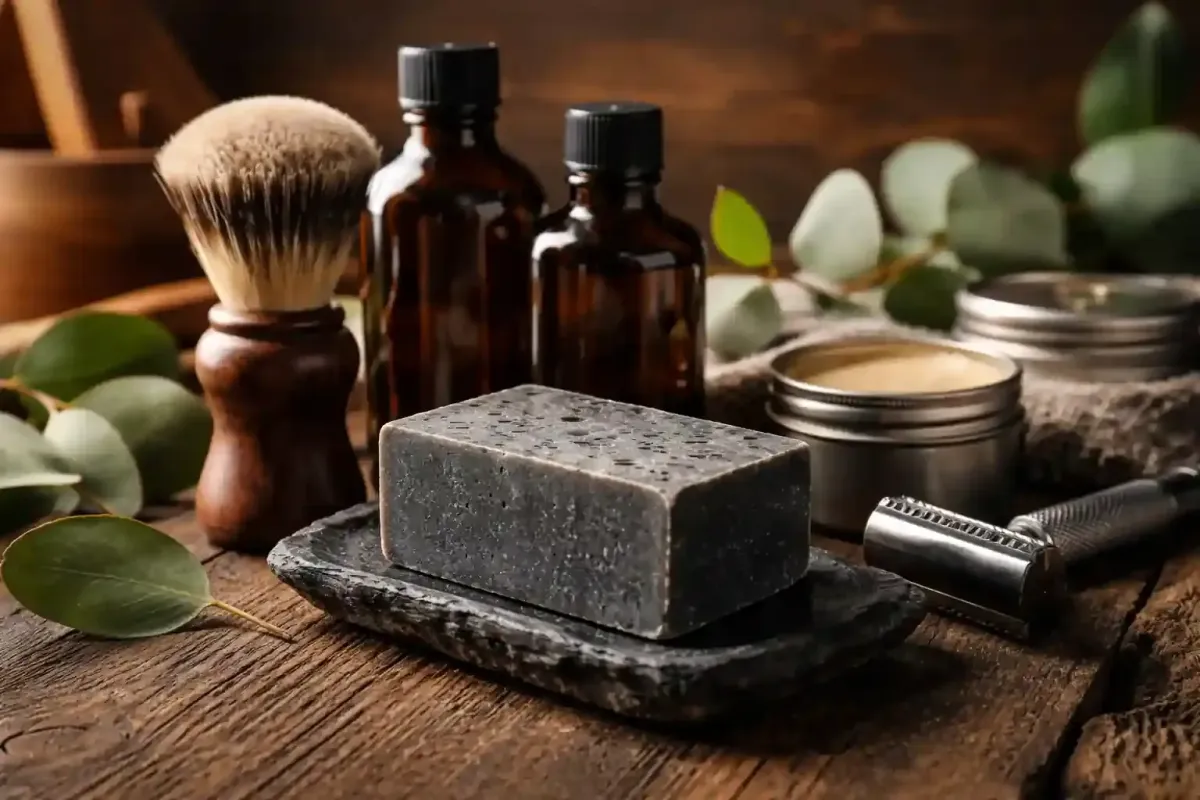
There is something inherently sustainable about traditional grooming practices. Shaving brushes, solid soaps, and reusable containers encourage habits that reduce disposables. These routines, once standard, are being rediscovered not as nostalgia but as practical alternatives. The durability of tools and the efficiency of concentrated products contribute to reduced consumption over time.
This return to tradition also influences how products are experienced. Scents derived from natural oils evolve subtly throughout use, while textures created through cold-process methods retain character. These details reinforce the sense that grooming can be intentional rather than hurried. When users slow down, they often use less, waste less, and value what they have.
Small grooming brands built on natural ingredients and careful production embody this philosophy. Their sustainability is not defined by a single initiative but by a collection of deliberate choices—materials, methods, pacing, and identity. Over time, these choices create products that feel enduring, both in the hand and in the routines they quietly shape.