Custom Event Merchandise and the Long-Term Value of Brand Continuity
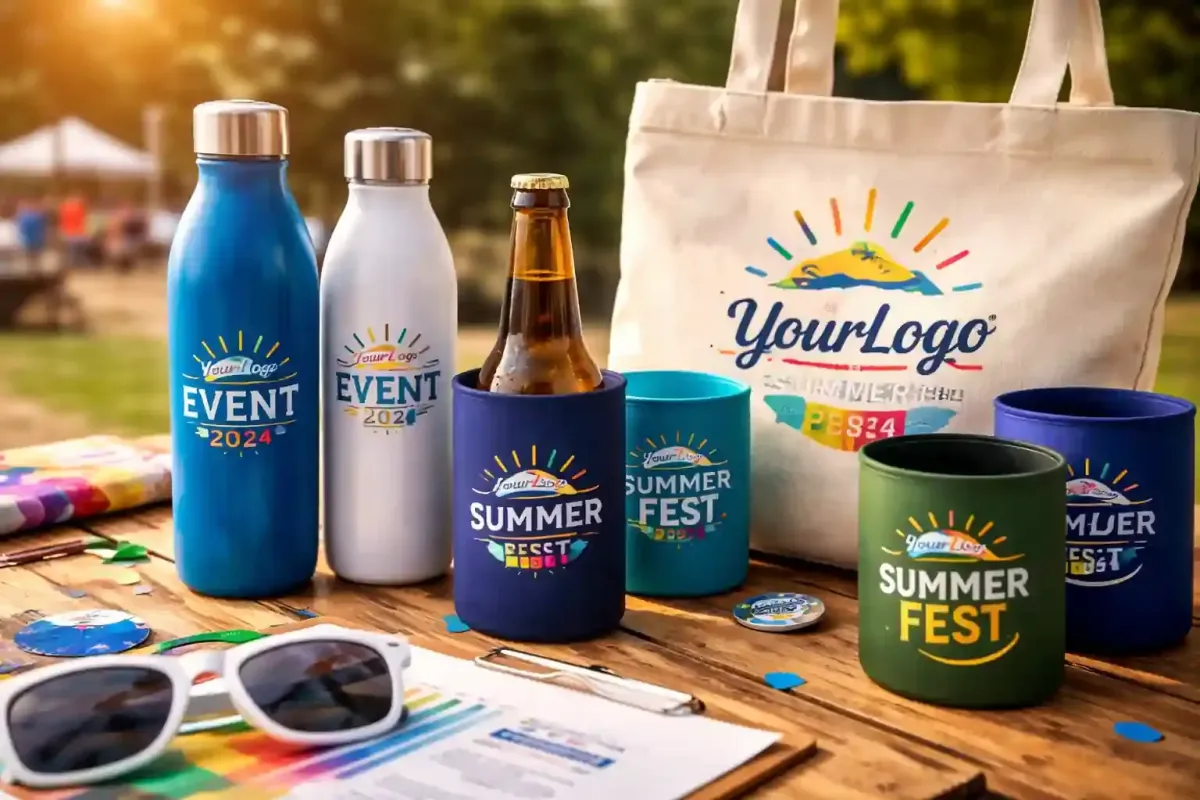
Event merchandise is often viewed as temporary—items created for a single occasion, worn briefly, and then stored away. Yet this perspective overlooks how branded products can contribute to long-term visibility. A reusable drink bottle, a stubby holder, or a custom sleeve can extend the presence of an event well beyond its scheduled date. These items move through daily routines, quietly reinforcing recognition in ways that digital impressions rarely match.
Platforms such as QLD Event Merch illustrate how accessible customization has become for organisations of all sizes. Without minimum order requirements, small clubs, local businesses, and community groups can produce tailored merchandise that reflects their identity. This accessibility shifts merchandise from a large-scale promotional tool into a practical component of ongoing brand continuity. When thoughtfully designed, these items become part of long-term planning rather than one-off novelties.
The durability of physical merchandise also plays a role. Unlike disposable marketing materials, reusable items persist. They appear at sporting events, social gatherings, workplaces, and travel settings. Each appearance contributes to a cumulative effect, strengthening familiarity through repetition. Over time, this quiet presence supports consistent recognition without requiring constant reinvention.
Merchandise as Part of a Long-Term Planning Framework
Organisations planning events often focus on immediate logistics—venues, schedules, and attendance. Merchandise decisions sometimes occur late in the process, treated as optional extras. However, when considered earlier, branded items can align with broader communication goals. Consistent colours, typography, and messaging create continuity across multiple events, helping audiences connect separate experiences under a shared identity.
This continuity matters particularly for recurring events or community-based initiatives. A local sports competition, annual fundraiser, or industry gathering benefits when participants recognise visual elements from previous years. Merchandise becomes a bridge between past and future, reinforcing a sense of tradition. The planning process shifts from designing isolated items to developing a coherent visual narrative that evolves gradually.
Long-term thinking also influences product selection. Durable items that people use regularly—drinkware, apparel, or practical accessories—extend visibility more effectively than novelty products. Their repeated use embeds branding into everyday contexts, creating subtle but lasting exposure. This approach favours sustainability, as items with ongoing utility are less likely to be discarded.
Coordinating Visibility Beyond the Event Itself
While physical merchandise plays a tangible role, its impact often increases when integrated with broader planning. Organisations that coordinate their branding across physical and digital channels tend to maintain clearer identity over time. The goal is not to amplify promotion but to ensure consistency—so that a logo on merchandise aligns with event signage, online content, and future initiatives.
Some planning frameworks developed across marketing contexts emphasise this coordinated approach. Concepts sometimes described as brand visibility online focus on maintaining clarity and recognition across multiple touchpoints. Within event merchandise planning, similar thinking encourages organisers to treat branded products as one component of a longer narrative rather than isolated giveaways.
When visibility is coordinated, each element reinforces the others. A participant who uses a branded bottle months after an event may encounter familiar imagery again in future communications. The connection feels natural because the identity has remained consistent. Over time, these repeated encounters build recognition that extends beyond individual campaigns.
The Quiet Longevity of Thoughtful Merchandise
Custom merchandise rarely commands attention in strategic discussions, yet its long-term influence can be significant. Items designed with continuity in mind contribute to recognition that unfolds gradually. They travel through everyday life, appearing in unexpected settings and sustaining familiarity without deliberate promotion.
This longevity reflects the broader value of planning. When organisers consider how merchandise fits into future events and ongoing identity, they create assets that endure. The impact may be subtle, but it accumulates—one reusable item, one repeated sighting, and one consistent visual cue at a time.
Over the years, these small elements form a quiet foundation for recognition. Events become easier to identify, communities strengthen their shared identity, and organisations benefit from continuity that does not rely on constant reinvention. Thoughtful merchandise, integrated into long-term planning, transforms temporary occasions into lasting impressions.