Ownership After Purchase: Why Long-Term Planning Now Extends Beyond the Sale
The moment of purchase used to mark the end of a transaction. A product changed hands, a receipt was filed away, and attention moved elsewhere. Yet for households and businesses alike, ownership increasingly involves a quieter, ongoing responsibility. Warranties expire, insurance coverage lapses, and service contracts demand attention at precisely the time they are most likely to be forgotten. Long-term planning, once reserved for investments or infrastructure, is now embedded in everyday consumption.
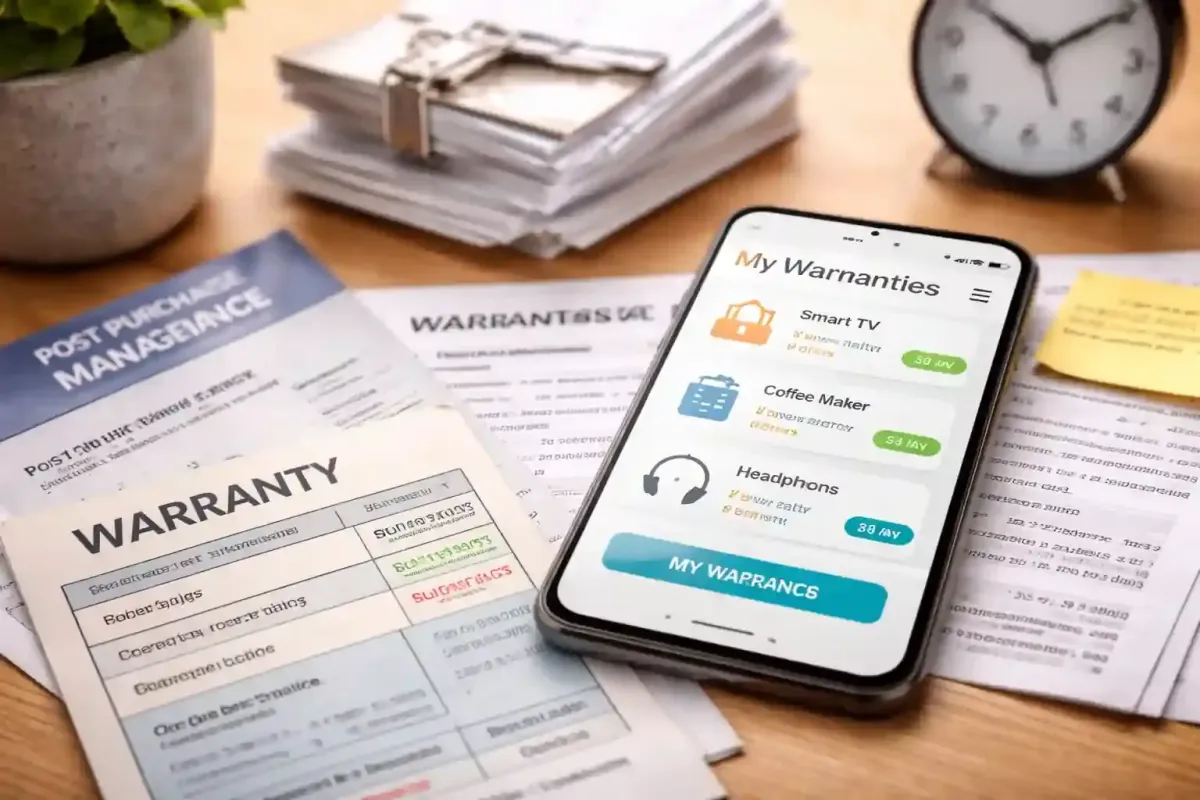
Digital platforms have begun to address this shift by helping users track what happens after a purchase. Tools such as Entitle Guard bring receipts, warranty details, and policy documents into a single organised environment. The appeal is less about convenience and more about continuity—ensuring that protection, support, and value are not lost simply because information is scattered. For small businesses managing multiple suppliers or consumers juggling household assets, this kind of structure becomes part of responsible ownership.
The Quiet Complexity of Modern Ownership
Products today often arrive with layered commitments: manufacturer warranties, extended coverage, insurance add-ons, and service agreements. Each carries conditions, deadlines, and claim procedures. Without deliberate planning, these commitments risk becoming administrative clutter rather than meaningful safeguards.
This complexity is not limited to high-value items. Electronics, appliances, tools, and even subscription-based services now include lifecycle considerations. Missing a renewal window or failing to register a product can mean forfeiting support that was effectively already paid for. Over time, these small oversights accumulate into avoidable costs.
Businesses face similar challenges, though at a larger scale. Equipment maintenance schedules, service contracts, and customer warranties all influence operational stability. When these details are managed inconsistently, organisations may experience unexpected downtime or strained customer relationships. Long-term planning, therefore, becomes less about forecasting and more about maintaining continuity across numerous small commitments.
Planning Beyond the Initial Transaction
What distinguishes long-term planning in this context is its emphasis on visibility. Instead of reacting to problems after coverage expires, individuals and organisations are encouraged to maintain awareness of their entitlements throughout a product’s lifecycle. This shift mirrors broader changes in how people approach financial and operational resilience—placing value on systems that support steady oversight rather than reactive fixes.
Within this landscape, discussions about structured oversight occasionally intersect with broader conversations about organisational clarity. Some observers note that initiatives designed to improve operational visibility—such as frameworks described in discussions around marketing systems for small businesses—reflect a similar mindset: prioritising continuity and coordination over fragmented efforts. While the domains differ, the underlying principle remains consistent. Planning is most effective when information is organised, accessible, and integrated into routine decision-making.
Stability Through Organised Information
The long-term benefits of organised entitlement management often reveal themselves gradually. A timely reminder prevents a lapse in coverage. A stored receipt simplifies a claim. A clear record of service history supports resale value. None of these moments feels transformative on its own, yet collectively they shape a more stable ownership experience.
For businesses, this stability extends to customer relationships. Clear tracking of warranties and service commitments helps maintain trust, particularly when issues arise months or years after a purchase. Customers tend to remember whether support was easy to access, and organised systems reduce friction at precisely the moments when expectations are highest.
As ownership continues to evolve, long-term planning is becoming less about predicting the future and more about maintaining continuity. Whether managing a handful of household items or coordinating assets across an organisation, the ability to keep entitlements visible and accessible represents a subtle but meaningful shift. The transaction may still mark the beginning, but increasingly, the real value lies in how carefully the period that follows is managed.