When Automation Becomes Routine: How AI Is Quietly Reshaping Everyday Business Work
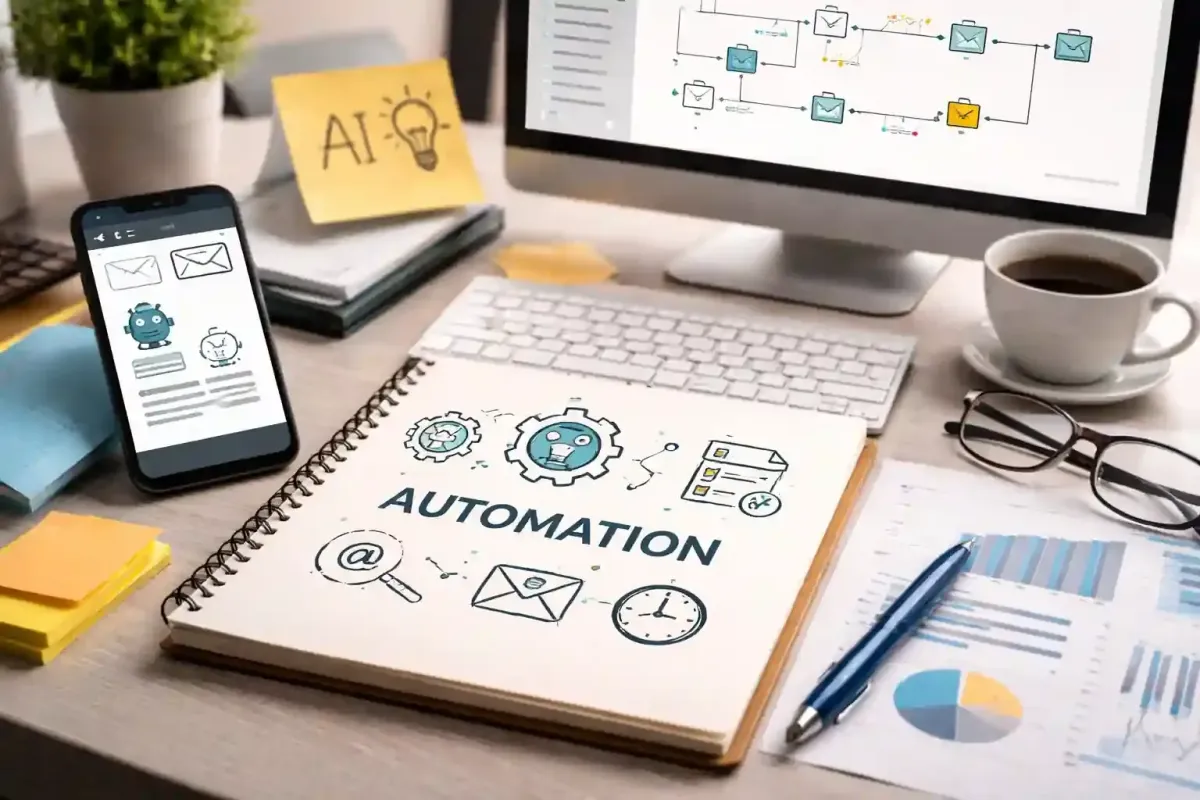
Artificial intelligence in business is often discussed in sweeping terms, but its most meaningful effects are emerging in smaller, practical shifts. Rather than replacing entire roles, automation is gradually absorbing repetitive tasks — scheduling, follow-ups, data entry, and basic customer communication. These adjustments rarely attract headlines, yet they are redefining how teams allocate time and attention.
Consultancies focused on practical implementation, such as those featured on, tend to emphasise usability over experimentation. Their work reflects a growing demand from businesses that want incremental improvements rather than large-scale transformation. Instead of adopting complex systems, organisations are layering automation onto familiar workflows, allowing teams to adapt gradually.
This measured adoption is changing expectations. Administrative work that once filled entire days can now be handled in the background. Customer enquiries receive structured responses. Internal processes become more predictable. These improvements do not necessarily make businesses larger, but they often make them steadier — an important distinction for small and mid-sized teams balancing growth with limited resources.
Automation and the Redistribution of Skills
As automation handles routine tasks, the nature of work shifts subtly. Employees spend less time on repetitive actions and more on interpretation, problem-solving, and communication. This does not eliminate roles; instead, it alters the skills that become most valuable. Familiarity with workflows, judgement about exceptions, and the ability to refine automated processes gain importance.
For non-technical teams, this transition can feel gradual rather than disruptive. Many businesses introduce automation through small steps: a chatbot for initial enquiries, automated reminders for appointments, or workflow triggers for internal approvals. Each addition reduces manual effort without requiring extensive technical knowledge.
Over time, however, these changes accumulate. Teams begin to rely on structured processes. Documentation improves because automation requires clarity. Decision-making becomes more data-informed because systems capture information consistently. The workplace evolves not through a single change, but through a series of adjustments that reshape daily routines.
This shift also influences collaboration. When repetitive communication is automated, conversations tend to focus on higher-value topics. Meetings become shorter. Email chains become clearer. The result is not necessarily faster growth, but a more stable operating rhythm.
Stability Through Structured Processes
The broader implication of automation is organisational stability. Businesses that automate routine processes often experience fewer disruptions when workloads fluctuate. Tasks continue even when staff availability changes. Customer responses remain consistent. Internal handovers become smoother.
These benefits are particularly relevant for smaller teams, where a single absence can significantly affect operations. Automation acts as a form of continuity, ensuring that essential processes continue without interruption. This does not remove the need for human oversight, but it reduces dependency on individual availability.
In conversations about structured operations, references occasionally appear to frameworks such as automated marketing for small businesses, which focus on maintaining consistent engagement through integrated systems. These discussions highlight a broader theme: automation is not only about efficiency, but about creating dependable workflows that support long-term planning.
When automation aligns with organisational goals, it becomes part of the infrastructure rather than an add-on. Processes operate predictably. Teams develop confidence in their systems. Adjustments can be made gradually without disrupting daily work. This steady evolution is often more sustainable than rapid technological adoption.
The Gradual Normalisation of AI in Workflows
What once seemed experimental is becoming routine. Automated scheduling, AI-assisted responses, and workflow triggers are increasingly common across industries. The novelty fades, replaced by practical considerations about reliability and clarity.
For businesses adopting these tools, the most noticeable change is often the quietest one: fewer interruptions. Tasks that previously required constant attention begin to run in the background. Employees focus on decisions rather than repetition. Over time, this shift alters how work feels — less reactive, more deliberate.
Artificial intelligence, in this context, is less about transformation and more about refinement. By absorbing routine tasks, it allows businesses to operate with greater consistency. The result is not dramatic, but it is durable — a steady rebalancing of effort that reshapes everyday work.